
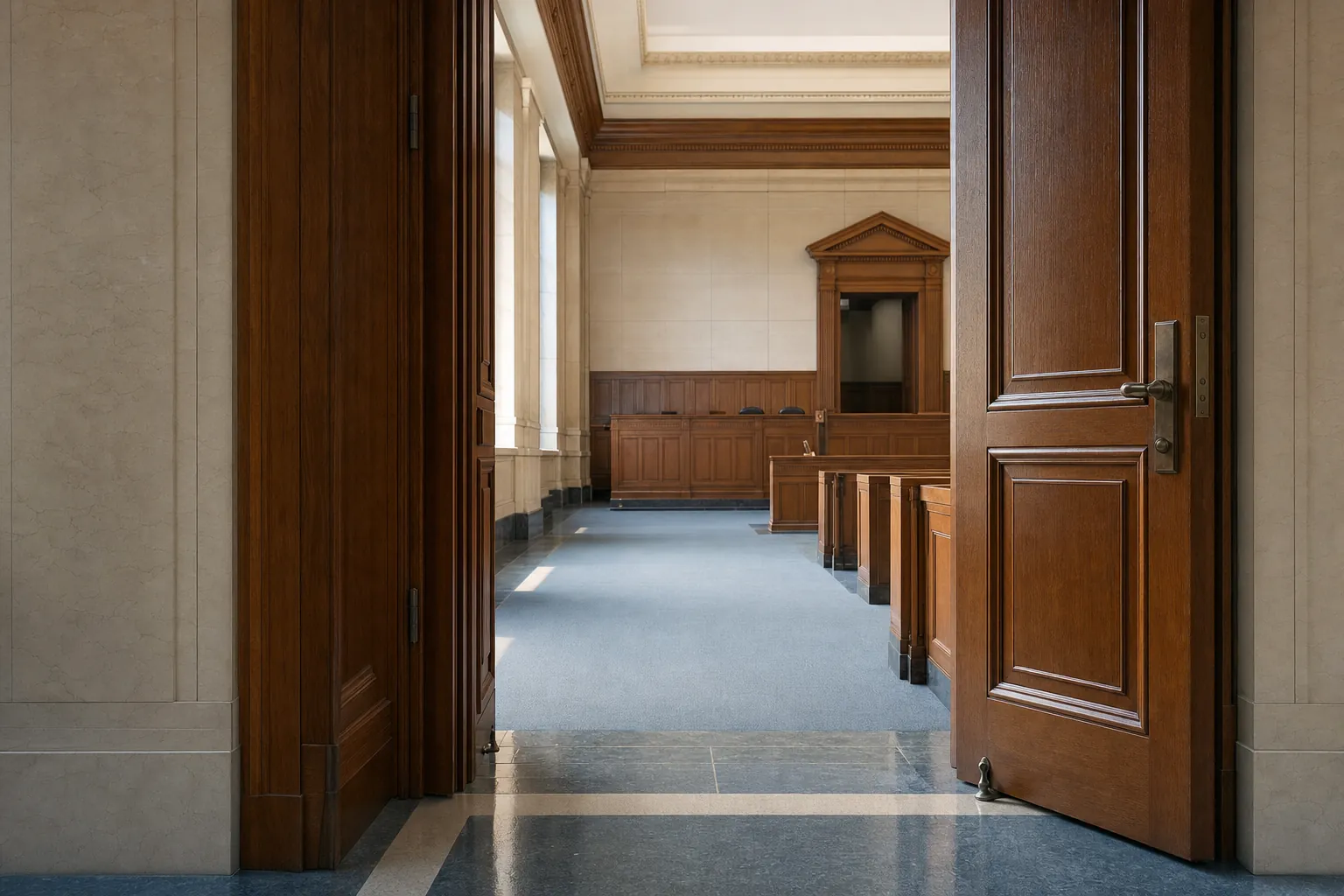
A pretrial hearing is a court date that usually follows arraignment and comes before any trial. It gives the court a chance to check the case’s progress, set the next steps, and address issues that must be resolved before a case can move forward. It is an important stage, but it is not a trial and it does not decide whether someone is guilty.
For people following a Middlesex County case, the term can sound more dramatic than it is. A pretrial hearing is often part of the working process of a criminal case: lawyers review information, raise legal questions, discuss whether the case may be resolved, and tell the judge what remains to be done. The Massachusetts courts schedule this stage after the first appearance because a case needs more than an allegation before anyone can fairly decide how it should proceed.
The short answer: what is a pretrial hearing?
In Massachusetts, a criminal case generally has both a pretrial conference and a pretrial hearing. The conference is a working meeting between the prosecutor and defense lawyer. The hearing is the scheduled appearance before the judge, where the court reviews what came out of that work and gives the case its next direction. Massachusetts Rule 11 on pretrial conferences and hearings sets out that structure for criminal cases.
The two steps are related, but they are not the same. Much of the detailed discussion may happen before the lawyers stand in front of the judge. At the hearing, the judge can address timing, outstanding legal issues, future dates, and any matters that need a formal court ruling. In District Court, the parties then appear for a hearing on the results of the conference under the court’s pretrial-hearing rule.
Every case is different. A straightforward case may move through this stage quickly. A serious or complicated case may need more than one pretrial date because the lawyers must review more evidence, locate witnesses, resolve motions, or prepare for a later hearing. The central point is the same: this is where the case is organized and tested before a trial is considered.
How a case reaches the pretrial stage
The process normally begins with an arrest, summons, or criminal complaint and then an arraignment. At arraignment, the court states the charges, makes sure the person has access to counsel, and schedules the case’s next steps. The campaign’s guide to arraignments explains why that first appearance begins the formal court process without deciding the outcome.
Between arraignment and the pretrial date, both sides begin preparing. The prosecutor reviews reports, witness information, recordings, physical evidence, and the legal elements of the charged offense. Defense counsel examines the allegations, speaks with the client, reviews the available material, and decides what questions or requests need to be raised. The court expects the lawyers to arrive prepared to describe what remains unresolved.
That work is why the pretrial stage matters. Court cases are not decided by a headline, an arrest, or a single early impression. A reliable process gives both sides time to examine the information, identify gaps, and bring the right legal questions to the judge. It also helps the court avoid scheduling a trial before the case is actually ready.

Who is involved at a pretrial hearing?
The prosecutor represents the Commonwealth. The defense lawyer represents the person charged. Both have obligations that are different but equally important to a fair process. The prosecutor must be prepared to explain the Commonwealth’s position, provide required information, and make decisions grounded in the evidence. Defense counsel tests the case, advises the client, and raises issues that protect the client’s rights. The campaign’s guide to the District Attorney’s role explains why that public responsibility is broader than simply appearing in court.
The judge is not on either side. The judge manages the court process, decides legal questions, sets or adjusts dates when appropriate, and makes sure the case follows the rules. Court staff maintain the docket and help keep the day’s calendar moving. In some cases, an interpreter, victim-witness advocate, or investigator may also be involved in the preparation around the hearing, even if they are not speaking to the judge at that moment.
These roles work best when each stays within its responsibility. Prosecutors should work closely with investigators while making their own legal judgments. Defense lawyers should advocate fully without being expected to prove innocence. Judges should decide legal disputes independently. A well-led office gives prosecutors clear standards for that work, which is one reason the campaign’s plan for the Middlesex DA Office focuses on preparation, victim support, and accountable leadership.
What evidence is discussed before a pretrial hearing?
One major part of the pretrial process is discovery: the information the prosecution must provide to the defense under the rules of court. Massachusetts Rule 14 on pretrial discovery requires the prosecutor to disclose specified material and information, including items favorable to the defense. Depending on the case, that material can include police reports, photographs, video, witness statements, laboratory results, recordings, or other evidence.
Discovery is not a technical side issue. It is one of the protections that allows both sides to assess the case on a fuller record. A prosecutor has a duty to pursue the facts fairly, not merely to collect information that points in one direction. A defense lawyer needs a genuine opportunity to review the evidence and challenge what the law allows them to challenge. The judge remains independent and decides disputed legal questions.
Sometimes the evidence reveals that more work is needed. Investigators may need to obtain additional records, preserve video before it disappears, interview another witness, or clarify how a piece of evidence was handled. In other cases, review may strengthen confidence in the charge. The responsible approach is the same in either situation: evaluate what the evidence can actually prove, rather than assuming an early accusation settles the matter.
That careful review is part of the daily work of an Assistant District Attorney. The elected DA leads the office, but prosecutors do the detailed case preparation that affects whether a hearing, agreement, dismissal, or trial is based on a complete and lawful record.
What legal issues can come up?
Pretrial hearings can involve motions, which are formal requests for a judge to make a legal decision. A motion might ask the court to set a deadline, order more discovery, decide whether certain evidence may be used, or address another issue that affects the case. Massachusetts rules on pretrial motions set timelines for many requests and explain how the court handles them.
Not every issue is argued fully at the first pretrial hearing. A judge may schedule a separate motion hearing, ask for written filings, or set another date once the lawyers have completed additional work. That is normal. Legal questions deserve an orderly process, especially when they involve constitutional protections, the reliability of evidence, or rules that affect what a jury may hear later.
For the public, the key distinction is that a pretrial ruling decides a legal question, not the ultimate facts of the case. A judge may decide how a rule applies or what procedure should come next. A jury, when there is a jury trial, has a separate role in deciding facts based on the evidence presented in court. The campaign’s District Attorney versus prosecutor guide explains why those separate responsibilities matter.
Can a case end at the pretrial stage?
Some cases are resolved before trial. That may happen because the parties reach an agreement, the prosecutor decides the evidence does not support moving forward, a judge rules on a key legal issue, or a case is continued while more work is completed. Other cases go on to additional hearings or trial. There is no single result that fits every case.
A plea discussion may occur during this period, but it does not mean a person must accept an agreement or that the judge has already approved one. A defendant has the right to make decisions with counsel, and the court has its own role in accepting any plea. Massachusetts rules on pleas and plea agreements describe the court’s requirements for that process.
Trials remain important when the facts or the parties’ positions cannot be resolved earlier. The Massachusetts courts’ overview of the pretrial, trial, and verdict process shows how these stages fit together. A pretrial hearing is best understood as preparation and accountability before that later decision point, not as a shortcut around it.
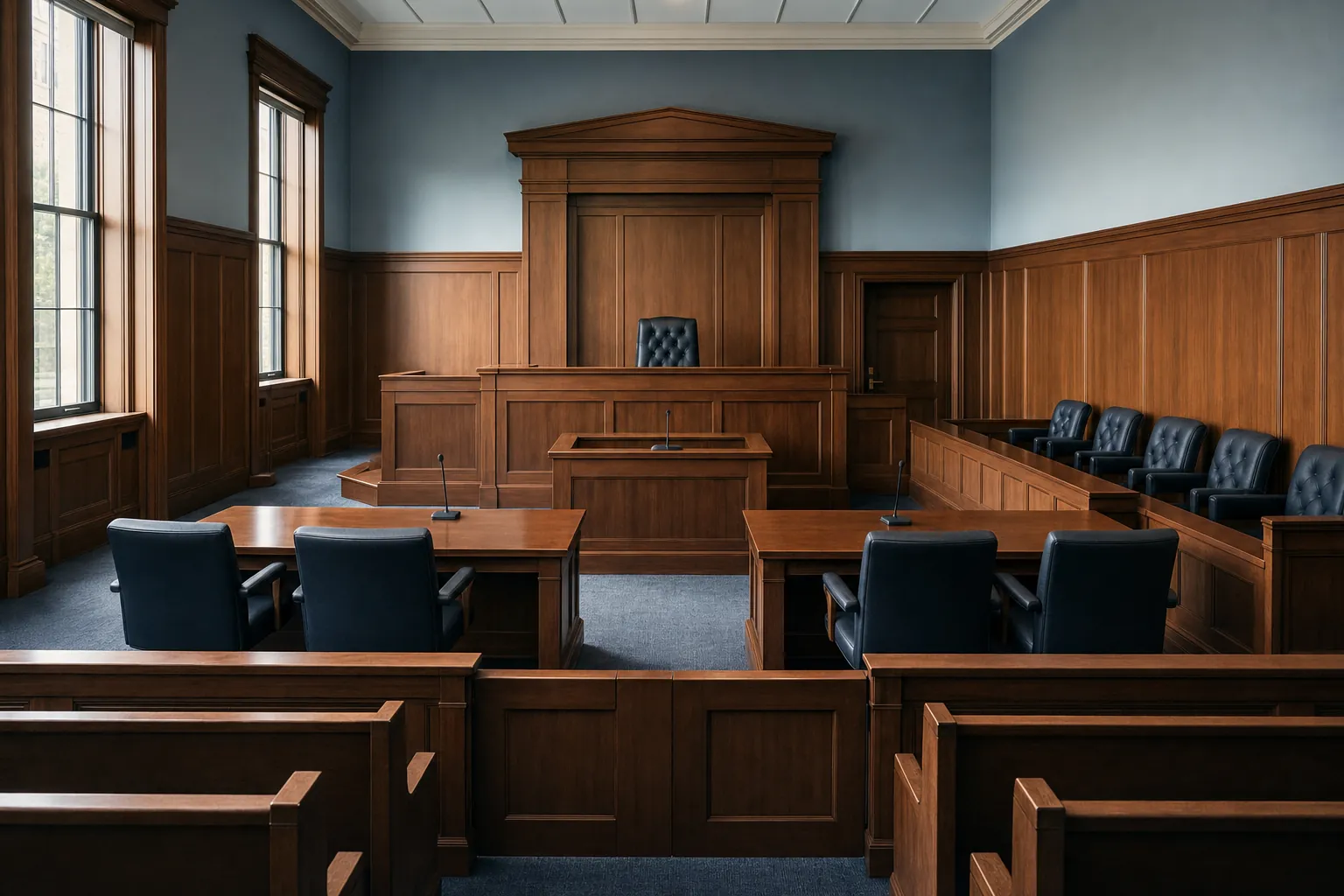
What can victims and witnesses expect?
Victims and witnesses may not need to speak at every pretrial court date, but the stage can still matter to them. It may affect the timing of the case, whether more information is needed, and when future hearings will be scheduled. A prosecutor’s office should communicate clearly about meaningful developments without making promises about a result that the evidence and court process have not yet determined.
Massachusetts victim-rights guidance explains that victims have protections and opportunities for information and participation at important points in a criminal case. District Attorney victim-witness programs can help people understand court dates, prepare for appearances, and find services. That support is especially important when a case is moving through unfamiliar legal steps over time.
Clear communication is not separate from public safety. People who have been harmed should not be left trying to decode court terms, learn a hearing date by rumor, or wonder whether anyone is handling their case. The office’s job is to be honest about what it knows, explain what comes next, and treat people with respect even when the legal process is uncertain.

Why the District Attorney’s leadership matters before trial
Pretrial work is where a DA office’s standards become visible. The elected District Attorney does not personally appear in every courtroom, but that leader decides how prosecutors are trained, how serious decisions are reviewed, how thoroughly the office prepares cases, and whether victim communication is treated as a core obligation. Those choices shape thousands of moments that seldom make the news.
David Solet brings experience that fits those demands: 24 years as a prosecutor, leadership of the Middlesex County Cold Case Homicide Unit, service as the first Chief of the Cyber Protection Unit, and work as the office’s General Counsel. Residents can explore his background in prosecution and public safety, his cold-case record, and his priorities for safer communities.
The pretrial stage also shows why an office needs both resolve and restraint. Prosecutors must prepare strong cases involving serious harm, ask for more investigation when needed, disclose what the rules require, and be candid about evidence. A District Attorney who understands that balance can build an office that takes public safety seriously while respecting the fairness that gives court decisions their legitimacy.
For Middlesex County voters, the important question is not whether every case produces an immediate verdict. It is whether the District Attorney’s office has the experience, standards, and judgment to do the early work well. That is how an office earns trust: by preparing carefully, communicating honestly, and letting the facts and the law guide the next step.
See the experience behind David Solet’s campaign
Explore David’s record in prosecution, cold cases, victim support, and public safety.
Meet DavidFrequently asked questions
Is a pretrial hearing the same as a trial?
No. A pretrial hearing addresses the case’s progress, legal questions, and next steps before trial. A trial, if one occurs, is the later stage where evidence is presented and guilt must be proved under the applicable standard.
Does a pretrial hearing mean someone has been found guilty?
No. A pretrial hearing does not decide guilt. It is part of the process for reviewing evidence, addressing legal issues, and preparing the case for its next court date.
What is the difference between a pretrial conference and a pretrial hearing?
The conference is the working discussion between the prosecutor and defense lawyer. The hearing is the scheduled appearance before the judge, where the court reviews progress and addresses matters that require a formal ruling or future date.
Can victims get information about a pretrial hearing?
Yes. Victims and witnesses can contact the appropriate prosecutor’s office or victim-witness program for information about court dates, case developments, and available support. The office cannot promise a result, but it should explain meaningful next steps clearly.
Related posts
Voter Guide
What Does a District Attorney Do? A Massachusetts Voter Guide
Learn what a District Attorney does in Massachusetts: reviews evidence, brings cases to court, supports victims, and leads a county prosecutor's office.
Read the guide
Voter Guide
District Attorney vs. Prosecutor: What’s the Difference?
A District Attorney is the elected chief prosecutor who leads the office, while prosecutors handle individual criminal cases.
Read the guide
Voter Guide
What Is an Assistant District Attorney? A Voter’s Guide
An Assistant District Attorney, or ADA, is a prosecutor who reviews cases, appears in court, and works with victims and witnesses.
Read the guide
Voter Guide
What Happens at an Arraignment? A Voter’s Guide
A clear Massachusetts guide to the first criminal court appearance, including charges, counsel, release decisions, and what comes next.
Read the guide