

An Assistant District Attorney, often called an ADA, is a lawyer who represents the Commonwealth in criminal cases on behalf of a county District Attorney’s office. ADAs do much of the day-to-day work that people picture when they think of prosecutors: reviewing evidence, appearing in court, speaking with victims and witnesses, working with police, and preparing cases for hearings or trial.
That title matters in a District Attorney race. The elected District Attorney sets the office’s priorities and standards, but Assistant District Attorneys carry those standards into individual cases. Their preparation, judgment, and communication affect whether a case is ready for court, whether people harmed by crime understand what is happening, and whether the public can trust the office to be both firm and fair.
The short answer: what does an Assistant District Attorney do?
An ADA is a public prosecutor, not a judge, police officer, or defense lawyer. In Massachusetts, an ADA may handle arraignments, make bail requests, argue motions, assess whether the available facts support charges, and prosecute criminal cases in court. The work can be different from one assignment to another, but it always requires careful legal judgment and a command of the facts.
The District Attorney is responsible for leading the office. An Assistant District Attorney works as part of that office, usually handling a set of cases or a specialized area of work. Some ADAs begin in District Court, where they manage busy calendars and early case decisions. Others develop expertise in serious felonies, appeals, domestic violence, child protection, cybercrime, financial crimes, or cold cases.
For a fuller look at the role of the elected leader, read the campaign’s guide to what a District Attorney does. The essential distinction is simple: the DA leads the office, while ADAs turn the office’s standards and priorities into disciplined work on real cases.
How an ADA reviews a case
When law enforcement brings a case to a prosecutor’s office, an ADA must look beyond the fact that an arrest occurred. The lawyer reviews reports, witness accounts, video, medical or forensic information, the legal elements of a possible charge, and information that may undermine the case. The question is whether the evidence supports a lawful case that can be proved fairly in court.
That review is not a rubber stamp. An ADA may approve charges, ask investigators to gather more information, decide that the evidence does not support a charge, or later conclude that a case should not continue. Those choices require the prosecutor to weigh reliability, context, constitutional protections, and the practical ability to present evidence to a judge or jury.

Careful case review protects everyone involved. It helps victims avoid being promised an outcome that the evidence cannot support. It helps police understand what additional work may be needed. It protects defendants’ legal rights. And it keeps the office focused on cases where the facts and law justify moving forward. Those are not competing duties. They are part of the same responsibility to get the work right.
What happens in court
After a case is charged, the ADA represents the Commonwealth through arraignments, hearings, motions, plea discussions, trials, and sometimes appeals. The lawyer prepares witnesses, organizes exhibits, argues legal issues, and explains the evidence to a judge or jury. An ADA must also meet ongoing disclosure obligations, including sharing information required by law with the defense.
Many criminal cases do not end in a jury trial. They may be resolved through a plea agreement, a dismissal, diversion, or another court-approved outcome. An ADA’s job is not to force every case into the same result. It is to make decisions that fit the facts, the law, the seriousness of the conduct, the strength of the proof, and the interests of justice.
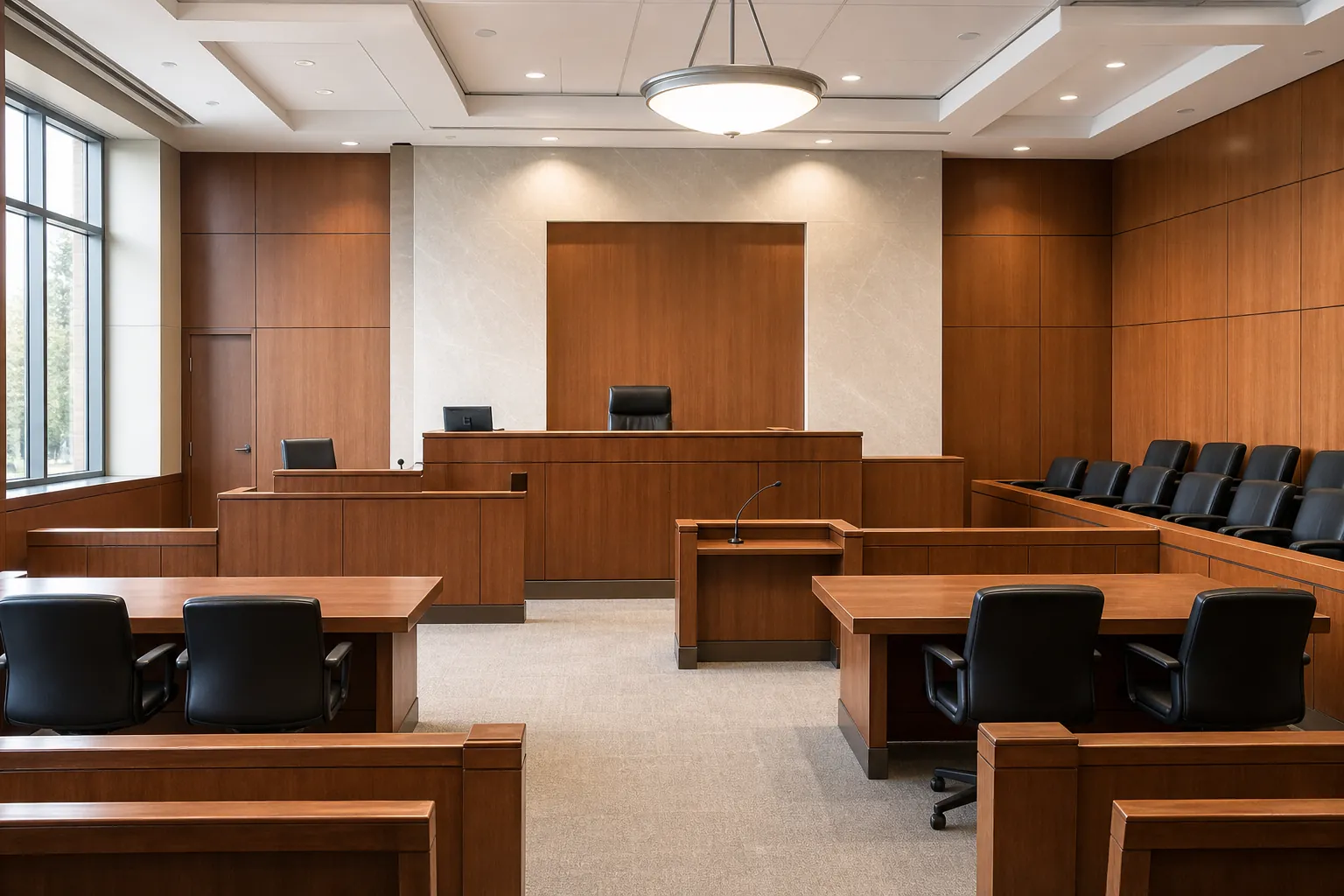
In a trial, preparation is visible. A prosecutor needs to understand the evidence, communicate clearly, anticipate legal challenges, and present the case without exaggeration. That is especially important in cases involving serious violence, vulnerable victims, digital evidence, or long investigations. The courtroom is where an ADA’s work is tested, but the quality of that work is usually determined much earlier through patient investigation and case preparation.
Who an ADA works with
An Assistant District Attorney works inside a larger public-safety and justice system. Police officers and investigators gather information and follow leads. Victim-witness advocates help people navigate the process and find support. Paralegals and support staff keep cases organized. Supervisors offer guidance on difficult questions. Defense attorneys represent the accused, while judges and juries make independent decisions in court.
Each role has a different responsibility. An ADA should work closely with investigators without taking over the investigation, communicate honestly with victims without guaranteeing an outcome, and argue the Commonwealth’s position without treating a charge as proof of guilt. Good prosecutors understand those boundaries. They make the office more reliable because they know when to ask for more information, when to seek advice, and when the evidence does not support going further.
That teamwork is particularly important in large, complex cases. A digital-evidence case may require investigators who can explain technical records. A cold case may require careful coordination with forensic experts and detectives who have worked the file over many years. A case involving a child, survivor, or family in crisis may require steady communication from victim-witness staff. The ADA’s role is to bring that work together into a clear, lawful case that a court can evaluate.
What an ADA cannot decide alone
Prosecutors have meaningful responsibilities, but they do not control every outcome. An ADA cannot make a person guilty, set aside a judge’s ruling, direct every police department, or promise that a case will end in a conviction. The Commonwealth must meet its burden of proof, and judges and juries have their own independent roles in the legal process.
Those limits are safeguards, not weaknesses. They protect the public from decisions based on pressure or headlines rather than evidence and law. A responsible ADA can prepare a strong case, make a fair recommendation, and speak clearly about what the facts support. But the final result must come through a process that respects constitutional rights and independent decision-making.
How ADAs work with victims and witnesses
For victims, survivors, and witnesses, the court process can feel unfamiliar and overwhelming. An ADA cannot promise a particular result, but the office should make sure people understand important dates, know what to expect in court, and have access to practical support. Respectful communication is not an extra service. It is central to how a public office earns trust.
Massachusetts District Attorney offices have victim-witness programs that help people understand the criminal process, receive case information, prepare for court, and find available services. The Commonwealth’s victim-witness program guidance explains the support available through those offices, while its victim-rights information outlines protections and participation rights at key stages of a case.

An ADA may be one of the people a victim or witness hears from most often. Clear explanations, reliable updates, and thorough preparation can make a difficult process more navigable. The office should listen carefully without making promises it cannot keep, and it should make sure every person understands that their experience matters even when the legal outcome is uncertain.
Why the DA’s leadership matters to an ADA’s work
Assistant District Attorneys do individual casework, but they do not work alone. The District Attorney decides how the office trains prosecutors, whether specialists are available for complex cases, how supervisors review serious decisions, and whether victim communication is treated as a core obligation. Those leadership choices affect thousands of small decisions that residents may never see from the outside.
Strong leadership gives ADAs clear expectations: follow the evidence, prepare thoroughly, disclose what the law requires, communicate honestly, and recognize when more investigation is needed. It also gives them the resources to handle modern challenges, from digital evidence to long-unsolved cases. The campaign’s District Attorney vs. prosecutor guide explains why courtroom experience and office leadership are both essential in the elected role.
David Solet’s record reflects those demands. He has worked as a prosecutor for 24 years, led the Middlesex County Cold Case Homicide Unit, served as the first Chief of the Cyber Protection Unit, and advised the office on policy and ethics as General Counsel. Residents can explore his prosecution and public-safety background, his cold-case work, and the campaign’s public-safety priorities.
What voters should look for
Voters should ask whether a candidate understands the work ADAs do every day. Has the candidate reviewed difficult evidence, examined witnesses, handled serious cases, trained younger prosecutors, and made decisions when the facts were incomplete? Has the candidate led teams that handle digital evidence, victim communication, or complex investigations? Those are practical questions because the next DA will be responsible for how the entire office performs.
It is also worth listening for specifics. A serious candidate should be able to explain how the office would support victims, strengthen case preparation, handle repeat violence, use investigative resources responsibly, and respect the limits of the role. The campaign’s Middlesex District Attorney overview describes David’s experience and the priorities he would bring to the office.
Experience should be paired with judgment. The job calls for resolve when a case involves serious harm, but it also calls for the patience to review a difficult file, the discipline to disclose what the law requires, and the humility to recognize when more work is needed. A candidate who understands that balance is better equipped to lead prosecutors who face consequential choices every day.
Ultimately, an Assistant District Attorney is the public lawyer responsible for doing careful work in individual cases. The elected District Attorney is responsible for making sure the office has the leadership, standards, and judgment to support that work. Middlesex County deserves both: prosecutors prepared to handle cases with care, and a leader prepared to help them do it well.
See the experience behind David Solet’s campaign
Explore David’s record in prosecution, cold cases, victim support, and public safety.
Meet DavidFrequently asked questions
Is an Assistant District Attorney the same as a District Attorney?
No. An Assistant District Attorney is a prosecutor who works in the office. The District Attorney is the elected leader responsible for the office’s direction, staffing, standards, and public accountability.
Does an ADA decide whether someone is guilty?
No. An ADA decides whether the evidence and law support bringing and pursuing a case. A judge or jury determines guilt through the court process.
Do Assistant District Attorneys work with victims?
Yes. ADAs work alongside victim-witness staff to explain the court process, prepare people for hearings, and make sure victims and witnesses receive clear information about a case.
Why should voters care about Assistant District Attorneys in a DA race?
The elected District Attorney leads the office where ADAs do the day-to-day work of reviewing cases and appearing in court. A DA’s experience, standards, and leadership affect how well those prosecutors can serve the community.
Related posts

Voter Guide
What Does a District Attorney Do? A Massachusetts Voter Guide
Learn what a District Attorney does in Massachusetts: reviews evidence, brings cases to court, supports victims, and leads a county prosecutor's office.
Read the guide
Voter Guide
District Attorney vs. Prosecutor: What’s the Difference?
A District Attorney is the elected chief prosecutor who leads the office, while prosecutors handle individual criminal cases.
Read the guide
Voter Guide
What Happens at an Arraignment? A Voter’s Guide
A clear Massachusetts guide to the first criminal court appearance, including charges, counsel, release decisions, and what comes next.
Read the guide
Voter Guide
What Happens at a Pretrial Hearing? A Massachusetts Guide
A pretrial hearing is a court date after arraignment where lawyers address evidence, legal issues, and next steps before trial.
Read the guide