
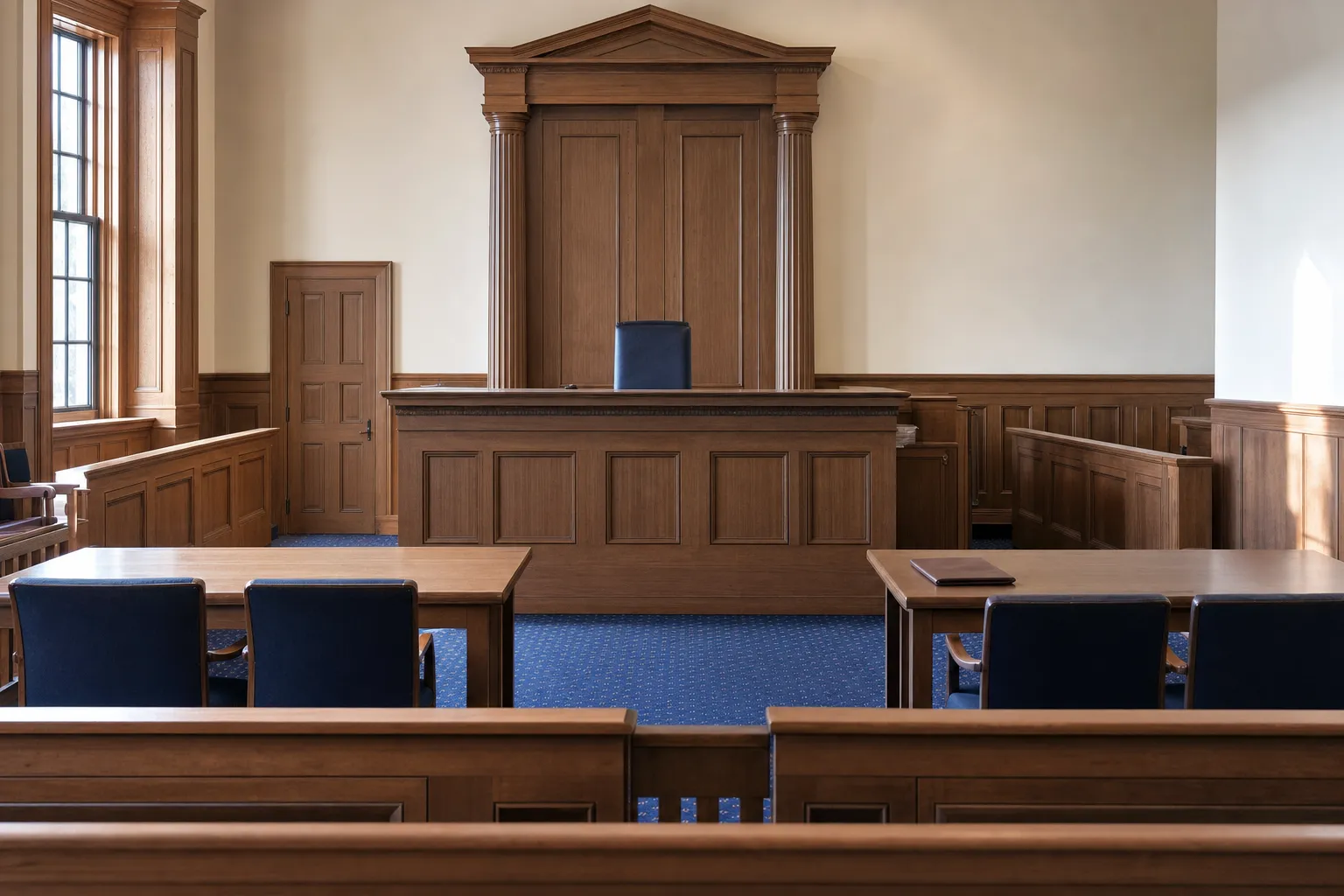
A plea hearing is a court appearance where a person charged with a crime may ask to resolve the case by pleading guilty or no contest. The judge must make sure the person understands the choice, is making it voluntarily, and is not giving up important trial rights by mistake. It can resolve a case, but it is not simply a private agreement between lawyers.
For Middlesex County residents following a criminal case, a plea hearing can raise difficult questions. People may hear that a case has a “plea date” and wonder whether the case is over, whether the judge must accept an agreement, or what victims and families can expect. The answer depends on the facts and the court, but the core purpose is clear: the court must carefully review the proposed plea before accepting it.
This is a general guide to the Massachusetts process, not legal advice for a particular case. The people involved in an active case should rely on their lawyer, the court, or the appropriate prosecutor’s office for information that applies to their circumstances.
What is a plea hearing?
A plea hearing is the point at which a defendant may formally enter a guilty plea or a no-contest plea, also called nolo contendere. In a guilty plea, the person accepts criminal responsibility. A no-contest plea is handled as a conviction in the criminal case, but it is not the same as a public admission of guilt in every setting. Massachusetts Rule 12 on pleas and plea agreements sets the standards a judge must follow.
Sometimes a plea follows an agreement between the prosecutor and defense lawyer about a charge, a sentencing recommendation, or another term. Sometimes the parties agree on the plea but disagree about the sentence they will ask the judge to impose. The important distinction is that the judge is not a bystander. The court decides whether to accept the plea and retains responsibility for the lawful outcome.
A plea hearing is also different from an arraignment. At an arraignment, the court formally states a charge and starts the case. At a plea hearing, the case may be resolved without a trial if the court is satisfied that the plea meets the legal requirements. The campaign’s arraignment guide explains the earlier stage in the process.
What happens before the hearing?
A plea hearing usually comes after the prosecutor and defense lawyer have had time to review the case. That work can include police reports, recordings, witness information, physical evidence, legal motions, and the strength of the available proof. The prosecutor’s job is not to treat an arrest as the final answer. The office must assess what the evidence supports and what outcome is lawful and appropriate.
The defense lawyer has a different role: advising the person charged about the evidence, the possible consequences, available choices, and the rights at stake. A person does not have to plead guilty simply because there has been a plea discussion. They can maintain a not-guilty plea, ask the court to address legal issues, or prepare for trial with counsel.
That preparation matters because a plea is a serious choice. A criminal case can affect a person’s record, liberty, work, family, housing, immigration status, and many other parts of life. A responsible court process gives each side time to review the case before asking a judge to accept a final resolution.

What does the judge ask at a plea hearing?
At the hearing, the judge speaks directly with the defendant. This exchange is often called a plea colloquy. The judge will make sure the person understands the charge, the plea being entered, and the consequences that can follow. The court also checks that the person is acting voluntarily and has not been forced, threatened, or promised something outside the terms presented in court.
The judge also explains the trial rights the person is giving up by entering the plea. Those rights generally include the right to a trial, the right to require the Commonwealth to prove the charge, the right to question witnesses through counsel, and the right not to be compelled to testify. The details of the exchange may vary from one case to another, but its purpose is consistent: a plea must be knowing, intelligent, and voluntary.
Massachusetts Rule 12 also requires a factual basis for the plea. In plain language, the court needs a sufficient record showing why the plea can be accepted. Depending on the proceeding, that may involve the defendant’s statements, a summary of the evidence from the prosecutor, or another appropriate basis in the record. This is one reason a plea hearing is a formal court event, not a document signed outside the courtroom.
Can the judge reject a plea agreement?
Yes. The judge must decide whether the plea itself can be accepted and whether the proposed disposition follows the law. A recommendation from the prosecutor and defense lawyer does not remove the court’s independent role. If the judge concludes that the person does not understand the plea, is not acting voluntarily, or that the record does not support accepting it, the court can decline to proceed on that basis.
It is also important to separate a plea from sentencing. In some cases, a judge accepts the plea and imposes sentence the same day. In others, the court schedules sentencing for a later date so the parties can provide additional information or the court can complete required steps. A sentencing recommendation may be part of an agreement, but the precise effect of that recommendation depends on the type of agreement and the court’s ruling.
For the public, the key point is that a plea is not a shortcut around the court system. It is one way a case may be resolved through a process that still requires a judge to protect the rights of the accused, hear the parties, and impose a lawful outcome.
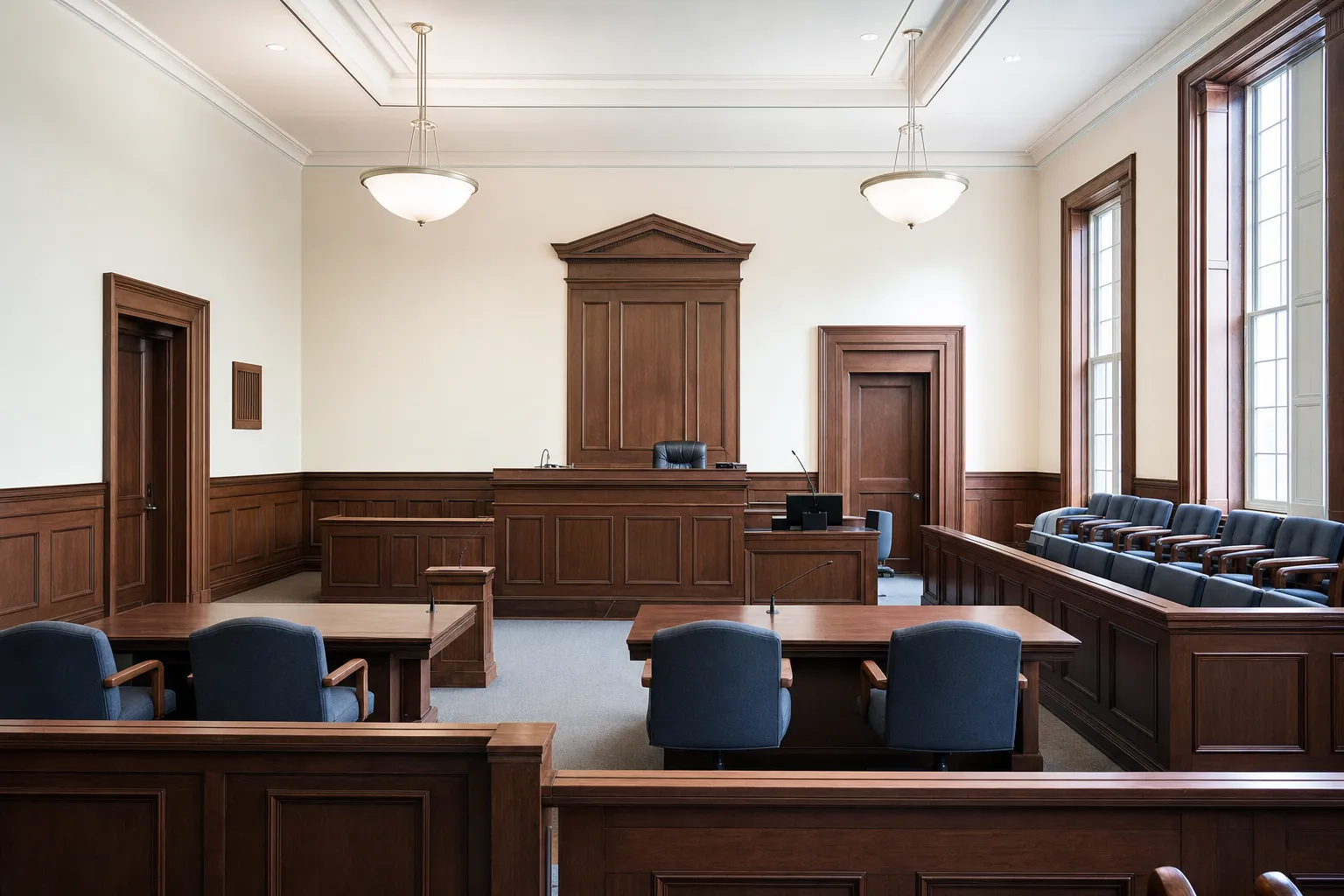
What role does the prosecutor have?
The prosecutor represents the Commonwealth, not any individual victim and not the person charged. Before a plea hearing, the prosecutor evaluates the evidence, the seriousness of the conduct, applicable law, public safety, the views of victims when relevant, and the possible consequences of a proposed resolution. The prosecutor may state the Commonwealth’s position to the court and explain the factual basis for the plea.
That responsibility calls for both resolve and restraint. An office should pursue serious harm with careful preparation, but it should not seek a result that the evidence cannot support. A well-prepared prosecutor must be candid with the court, honor disclosure duties, and recognize that the judge has the final judicial role in accepting a plea and imposing sentence.
This is where the elected District Attorney’s leadership matters. Assistant District Attorneys make individual case decisions, while the DA sets the training, supervision, case-review standards, and expectations for victim communication across the office. Readers can learn more about that day-to-day work in the campaign’s Assistant District Attorney guide and overview of the District Attorney’s role.
What can victims and witnesses expect?
A plea hearing can be an important moment for victims, survivors, witnesses, and families. They may want to know whether the case will be resolved, what sentence may be requested, whether they can be heard, and what happens after the hearing. Massachusetts law and court rules provide victims with meaningful rights at this stage, including an opportunity to make a victim impact statement before sentence is imposed in appropriate cases.
The Commonwealth’s Victim Bill of Rights guidance explains that a victim impact statement can address the physical, emotional, and financial effects of the crime. The court considers that information as part of the process, but it must still make an independent decision under the law. Victim-witness staff can help people understand court dates, prepare for a statement, and find available services.
Support should be clear without making promises. A prosecutor’s office cannot guarantee a particular plea or sentence, and it cannot disclose protected information. It can explain meaningful developments, make sure affected people know where to ask questions, and treat the impact of a case with respect.

What happens after a plea is accepted?
After a judge accepts a plea, the case may move directly to sentencing or to a later sentencing date. The possible outcome depends on the charge, the facts, any lawful agreement, the arguments presented to the court, and the judge’s decision. A sentence can involve incarceration, probation, fines, restitution, conditions of release, or other consequences allowed by law. Every case is different.
A plea can bring certainty to a case, but it does not make every question disappear. Victims and witnesses may still need information about sentencing, restitution, protective conditions, or available support. The person convicted may have obligations set by the court. The Commonwealth’s criminal-court process overview explains how pleas, trials, verdicts, and later proceedings fit into the larger path of a case.
When a case does not resolve by plea, it may continue through motions, another pretrial date, or trial. The campaign’s pretrial hearing guide explains how the court and lawyers prepare a case before any trial takes place.
Why this matters in a District Attorney election
Plea hearings show why a District Attorney’s job is larger than courtroom rhetoric. The quality of a resolution depends on investigation, evidence review, honest communication, legal judgment, and respect for the court’s role. Those standards are built long before a case reaches a plea date.
David Solet’s experience includes 24 years as a prosecutor, leadership of the Middlesex County Cold Case Homicide Unit, service as the first Chief of the Cyber Protection Unit, and work as General Counsel for the office. Residents can explore his background in prosecution and public safety, his cold-case record, and his priorities for safer communities.
For Middlesex County voters, the practical question is whether the next District Attorney has the experience to demand careful case preparation, support victims through difficult decisions, and make sure prosecutors pursue outcomes grounded in facts and law. That is how a public office earns trust, case by case.
See the experience behind David Solet’s campaign
Explore David’s record in prosecution, cold cases, victim support, and public safety.
Meet DavidFrequently asked questions
Is a plea hearing the same as sentencing?
Not always. A judge may accept a plea and impose sentence at the same hearing, or the court may schedule sentencing for a later date. The timing depends on the case, the court, and the information needed before sentence is imposed.
Does a plea hearing mean the judge must accept an agreement?
No. The judge has an independent duty to make sure the plea is voluntary, informed, and supported by an adequate factual basis. The court also decides the lawful outcome after hearing the parties.
Can victims speak at a plea hearing?
Victims may have the opportunity to provide a victim impact statement before sentence is imposed in appropriate cases. Victim-witness staff or the appropriate prosecutor’s office can explain the options and timing for a particular case.
Does a plea hearing mean someone was found guilty at a trial?
No. A plea hearing resolves a case through a plea rather than a trial. The judge must still make sure the person understands the plea and the rights being given up before accepting it.
Related posts

Voter Guide
What Does a District Attorney Do? A Massachusetts Voter Guide
Learn what a District Attorney does in Massachusetts: reviews evidence, brings cases to court, supports victims, and leads a county prosecutor's office.
Read the guide
Voter Guide
District Attorney vs. Prosecutor: What’s the Difference?
A District Attorney is the elected chief prosecutor who leads the office, while prosecutors handle individual criminal cases.
Read the guide
Voter Guide
What Is an Assistant District Attorney? A Voter’s Guide
An Assistant District Attorney, or ADA, is a prosecutor who reviews cases, appears in court, and works with victims and witnesses.
Read the guide
Voter Guide
What Happens at an Arraignment? A Voter’s Guide
A clear Massachusetts guide to the first criminal court appearance, including charges, counsel, release decisions, and what comes next.
Read the guide